Cruise Ship Encyclopedia helps you solve problems
How to Choose Your Cabin?
(1) Interior Cabin
No windows. Typically the most affordable cabin category. Best for budget-conscious travelers who spend minimal time in their room and prefer to be out exploring the ship's activities.
(2) Ocean-View Cabin
Features a fixed porthole window with sea views. Window shapes vary by cruise line. Ideal for guests who want natural light but don't have the budget for a balcony. Note: some ocean-view windows may be partially obstructed — always confirm before booking!
(3) Balcony Cabin
Standard balcony cabins face outward with ocean views — open the sliding door and feel the sea breeze! Some cruise lines also offer balcony cabins facing the ship's interior atrium — best to confirm with us before booking. Perfect for travelers who want a private outdoor space, enjoy quiet time, seniors, couples, or families with one child. The sweet spot between budget and experience.
(4) Suite
Significantly larger than the three categories above, typically featuring separate living areas or multiple bedrooms. Ideal for travelers with a higher budget who want luxury, exclusive services, and larger groups or multi-generational families.
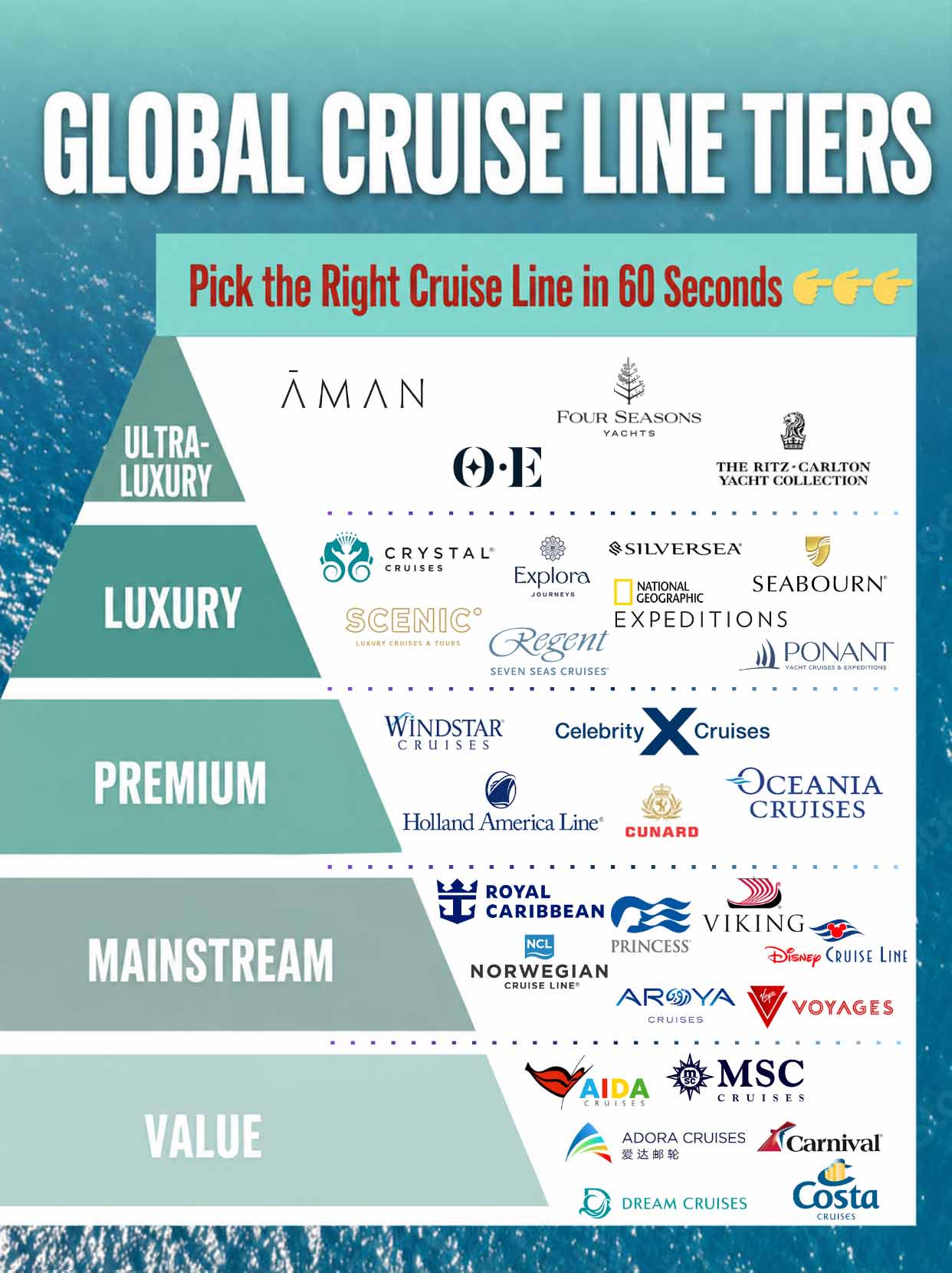
Global Cruise Ship Rankings: Find Your Perfect World-Class Cruise in One Minute!
Which Are the Most Popular Cruise Ships in Asia?
The Asian cruise market has been on fire lately! Whether you're an adrenaline junkie, a culture enthusiast, a family with kids, or a romantic couple, there's a perfect ship waiting for you. Today we're breaking down the 6 hottest cruise ships in Asia. Once you read this, you'll know exactly which one to book 👇
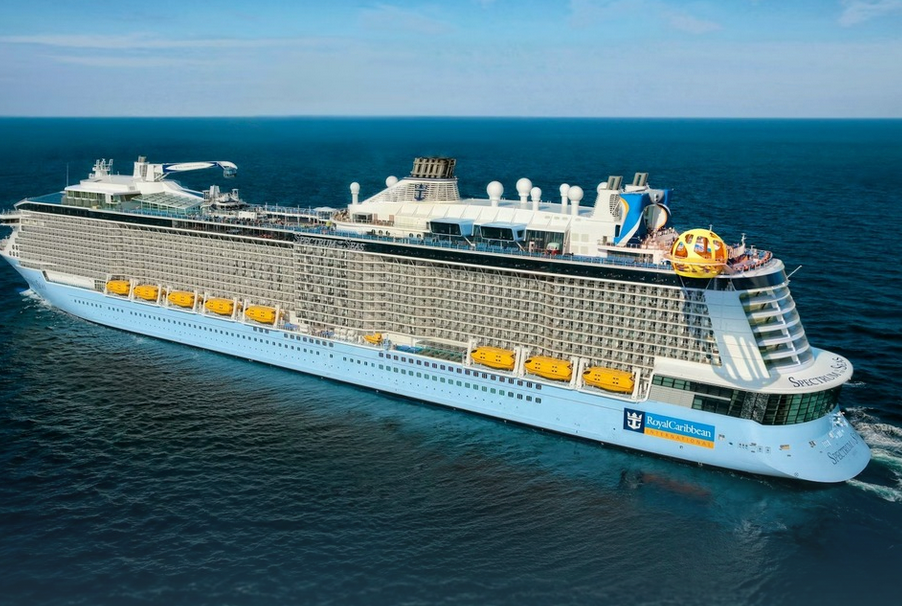
✅ Spectrum of the Seas: Floating Tech & Entertainment Hub
As a flagship of premium international cruising, it's famous for its high-tech entertainment: the North Star observation capsule, bumper cars, and a surfing simulator. Perfect for thrill-seeking young travelers and families.
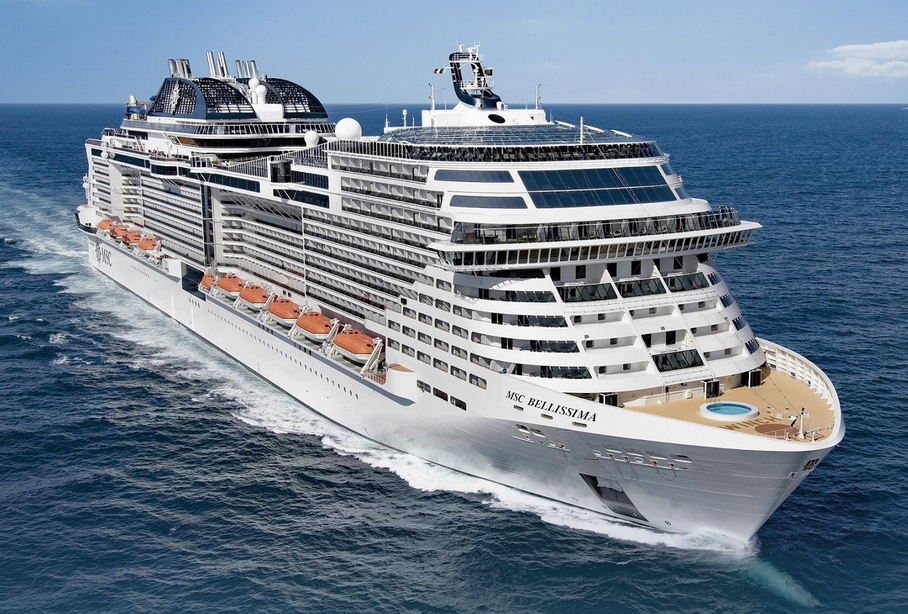
✅ MSC Grandiosa: European Luxury Family Paradise
Features Asia's first floating LEGO park, a Swarovski crystal staircase, an age-free water park, and age-specific kids' clubs. Ideal for families with young children and parents who want to balance romance with parenting.
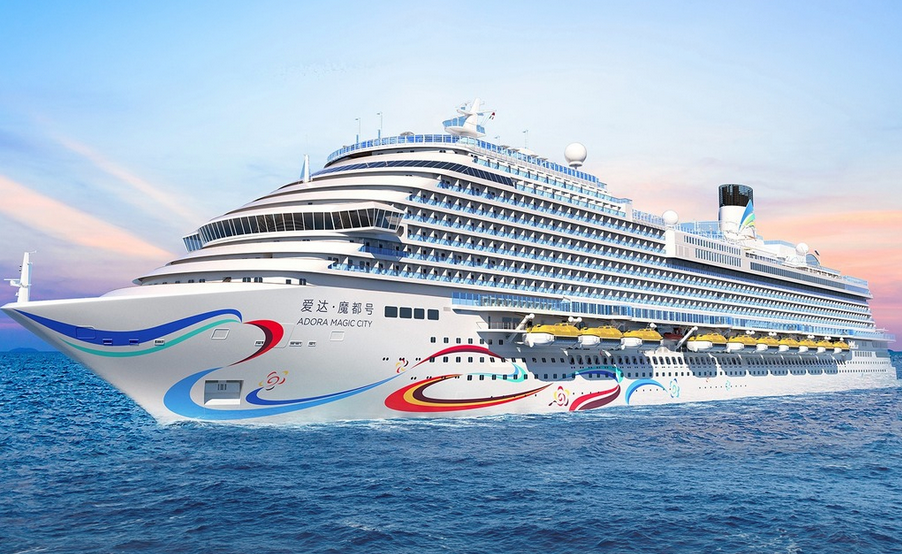
✅ Adora Magic City: Chinese Cultural Value Pick
China's first domestically built large cruise ship, focusing on Chinese cultural experiences and great value. Enjoy Dunhuang mural exhibitions, traditional Chinese concerts, and full Chinese-language service — zero pressure for first-time cruisers.
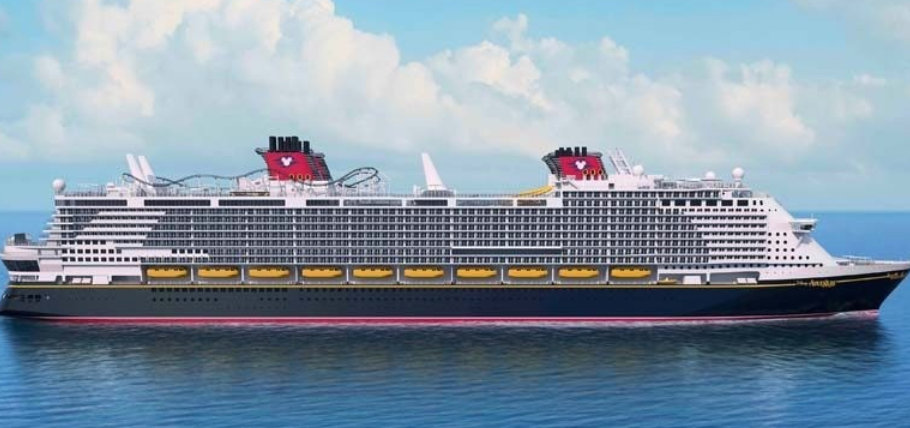
✅ Disney Adventure: Floating Fairy Tale Kingdom
Asia's longest at-sea roller coaster, Marvel-themed experiences, a Broadway-style Frozen musical, and a Toy Story water park. A dream choice for Disney fans and families.
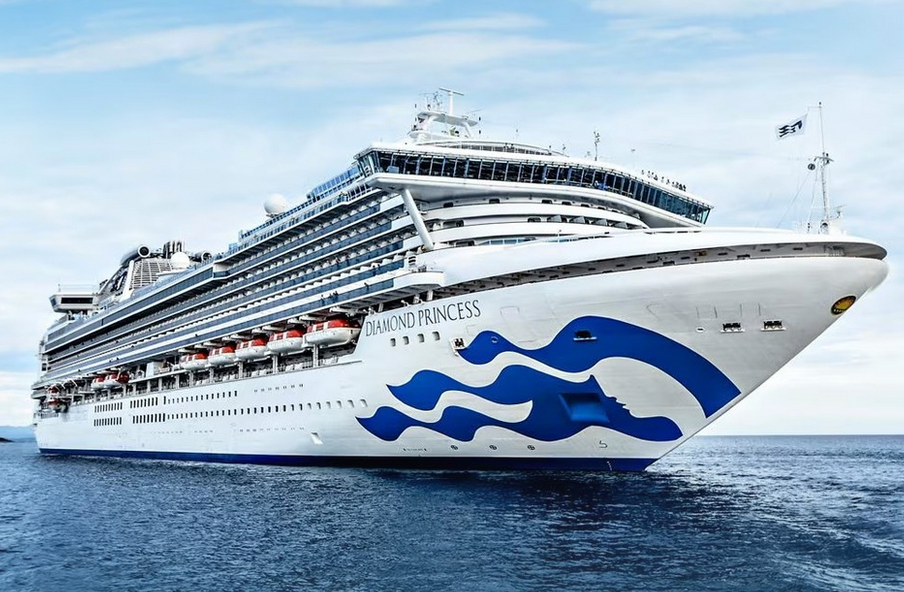
✅ Diamond Princess: Romantic Slow-Lifestyle Choice for Couples
Customized for the Asian/Japanese market, featuring Japanese-style hot springs, authentic Japanese cuisine, and a wider hull for a smoother ride. Perfect for travelers seeking a relaxed pace and Japan/Southeast Asia itineraries.
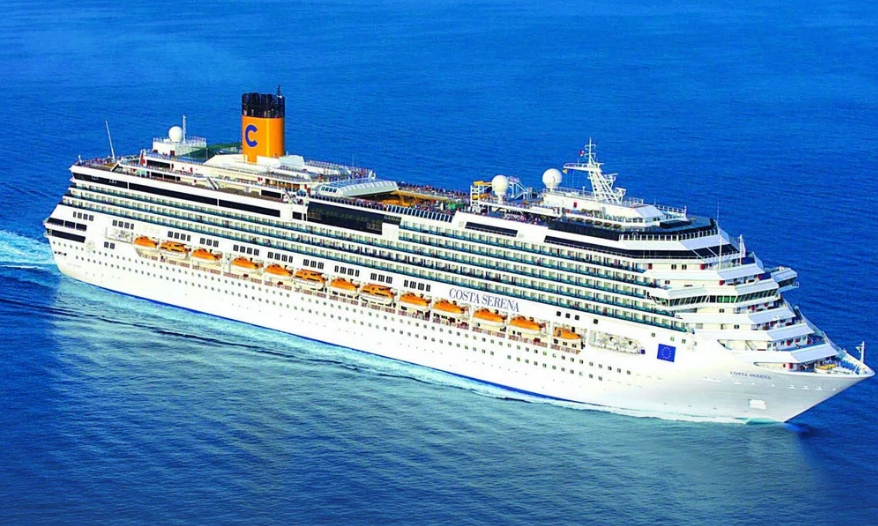
✅ Costa Serena: Italian Warmth Meets Authentic Chinese Dining
Italian vibrant atmosphere plus surprisingly rich Chinese food options (Kung Pao Chicken, Braised Pork Belly, and more!). Friendly service and budget-friendly fares. Great for first-time cruisers and families traveling with elders.
Which Cruise Ships Sail the Middle East?
The Middle East in 2026 has been anything but calm. Shipping around the Strait of Hormuz has faced disruptions, and regional flights have been repeatedly affected. Even TUI Cruises has canceled or adjusted some Middle East itineraries, and MSC Euribia once docked in Dubai awaiting further instructions.
Because of this, when travelers look at Middle East cruises now, their first question isn't "Is it worth it?" but rather: Are the ships still sailing? How much have fares dropped? Is booking now a bargain or a trap?
But honestly, times like these often create a divided situation for Middle East cruising👇:
On one side, rising tensions, adjusted itineraries, and travelers holding back.
On the other, the Persian Gulf winter routes — already a strong draw — are seeing prices that start to look very tempting.
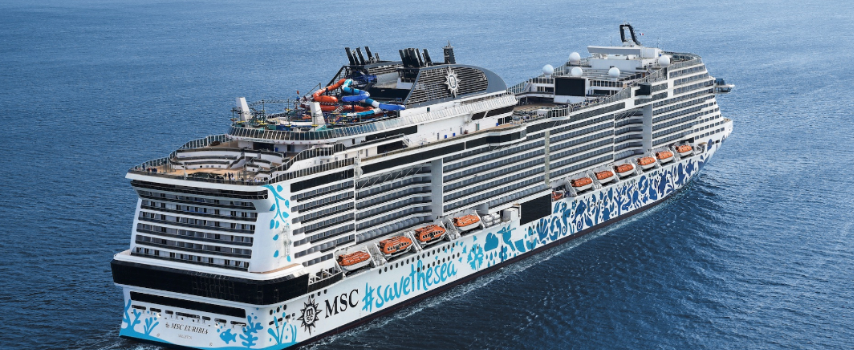
🔴 MSC Euribia
🌟 Highlights: Massive 180,000-ton ship with rich entertainment options, including a Swarovski crystal staircase, Himalayan Bridge, and multiple pools. Evening shows are plentiful, and Chinese-speaking staff are available. You can visit the UAE, Qatar, and Bahrain all in one trip.
👬 Best for: Families, friend groups, traveling with elders, or first-time cruisers
🎫 Price: Starting around ¥20,000 per person for a 10-day itinerary
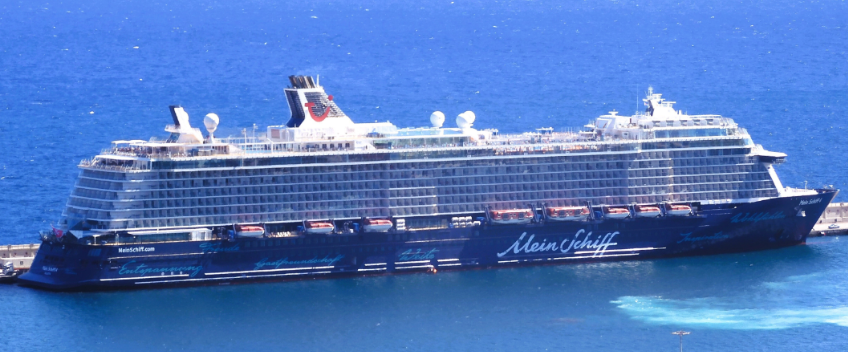
🟣 MeinSchiff
🌟 Highlights: Refined German-style all-inclusive experience. Fares include all dining, drinks, ice cream, and sauna access. The onboard atmosphere is quiet and sophisticated, with meticulous service. Itineraries focus on deeper, more relaxed exploration — for example, a two-night stay in Muscat instead of a quick stopover.
👬 Best for: Travelers seeking high-quality, relaxed vacations without the party vibe
🎫 Price: Around €700 per person for a 7-night itinerary
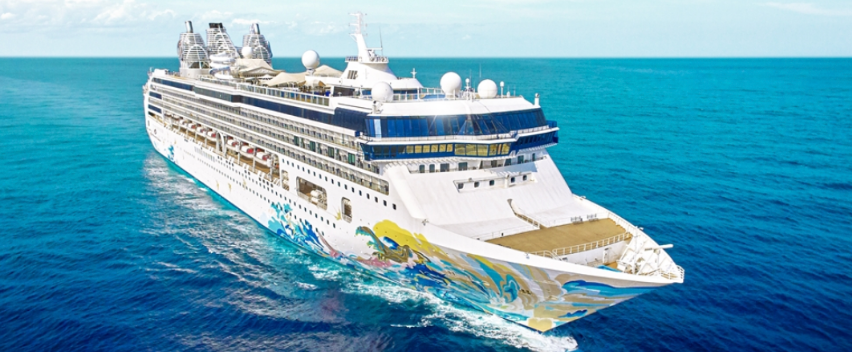
🔵 Resorts World One
🌟 Highlights: Designed specifically for Chinese travelers. Flexible itineraries ranging from 2–4 day short trips to 5–6 day longer voyages. Departs from Dubai, visiting Doha, Muscat, or other ports.
👬 Best for: Chinese travelers who prefer a familiar, Chinese-speaking environment and don't want to worry about language barriers.
🎫 Price: Starting around ¥5,000 per person for a 5-night itinerary
Middle East Cruise Travel Tips:
✔️ Best time to go: November to March is perfect! Average temps in the 20s°C, not too hot or humid, with comfortable sea breezes. Comfort level maxed out.
✔️ Visa perks: Just bring your passport and cruise ticket. Boarding is seamless — no advance visa required. Truly a "pack and go" experience.
✔️ Pre-boarding prep: Print your cruise ticket in advance. Once onboard, immediately download the cruise line's app (e.g., MSC FOR ME for MSC), link your credit card, and charge everything to your room. Saves time and hassle.
✔️ Shore excursions: You can explore independently (taxis and Uber at ports are very convenient) or book cruise-line packages. Independent travel offers better value and lets you flexibly plan exactly what you want to do.
Why Are There No American Crew Members on Cruise Ships?
If you've ever sailed on a U.S.-based cruise, you've probably had this burning question: Cruising is one of the most popular American vacations, and U.S. departure ports are packed year-round — so why do you rarely hear American English on board? And why are there almost no American service staff?
Is it because Americans look down on cruise service jobs? Or is there a hidden industry secret? The answer isn't just about "salary" — it's buried in the global logic of how the cruise industry operates.
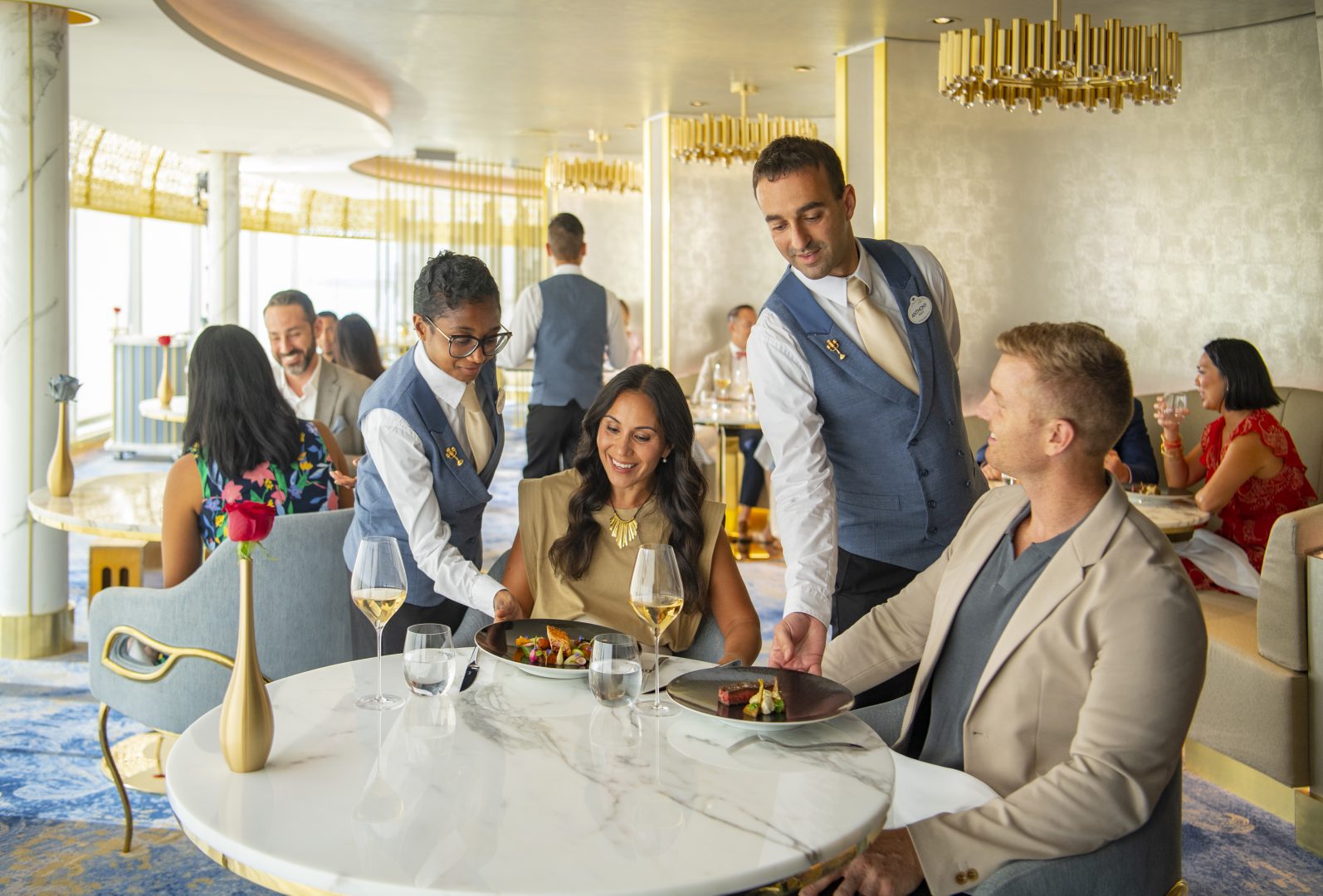
The "Workforce Map" of Cruise Ships
In the global cruise industry, service roles — housekeeping, dining, entertainment — are almost entirely staffed by workers from Southeast Asia, India, the Caribbean, and similar regions.
Meanwhile, senior officers like captains tend to be European. This isn't accidental — it's a deliberate global staffing strategy by cruise lines based on cost and efficiency. Simply put, a cruise ship is like a mini United Nations, but the service floor conveniently leaves out American representation.
The Same Salary, Very Different "Survival Lines"
Cruise lines typically pay entry-level service staff $800–$2,000 per month. For workers from the Philippines, Indonesia, India, and similar countries, that's a high-income paradise — far above local wages, plus room and board are covered, meaning they can save a huge chunk of it.
But that same number? In the U.S., it might not even cover rent. The cost of living in America makes cruise service work a terrible value proposition — so naturally, very few Americans take these jobs.
The Cruise Lines' "Hiring Logic"
For workers from developing countries, a cruise job means escaping poverty, saving money, and seeing the world. For an American, it would be a step down.
Cruise companies are sharp: they recruit globally, using USD wages to attract labor from lower-cost regions. This keeps costs down and maximizes profit. So next time you see a smiling crew member from another country, don't be surprised — it's globalization, playing out on a floating city.
Disney Adventure Must-Pack Checklist
Planning to sail on Disney Adventure? Don't just throw things in your suitcase ❌. Save this checklist first — it'll save you from a lot of headaches 👇.
📄 Essential Documents — Check Before You Go:
✔️ Passport (valid for at least 6 months)
✔️ Singapore Arrival Card (SGAC) — submit within 3 days before arrival
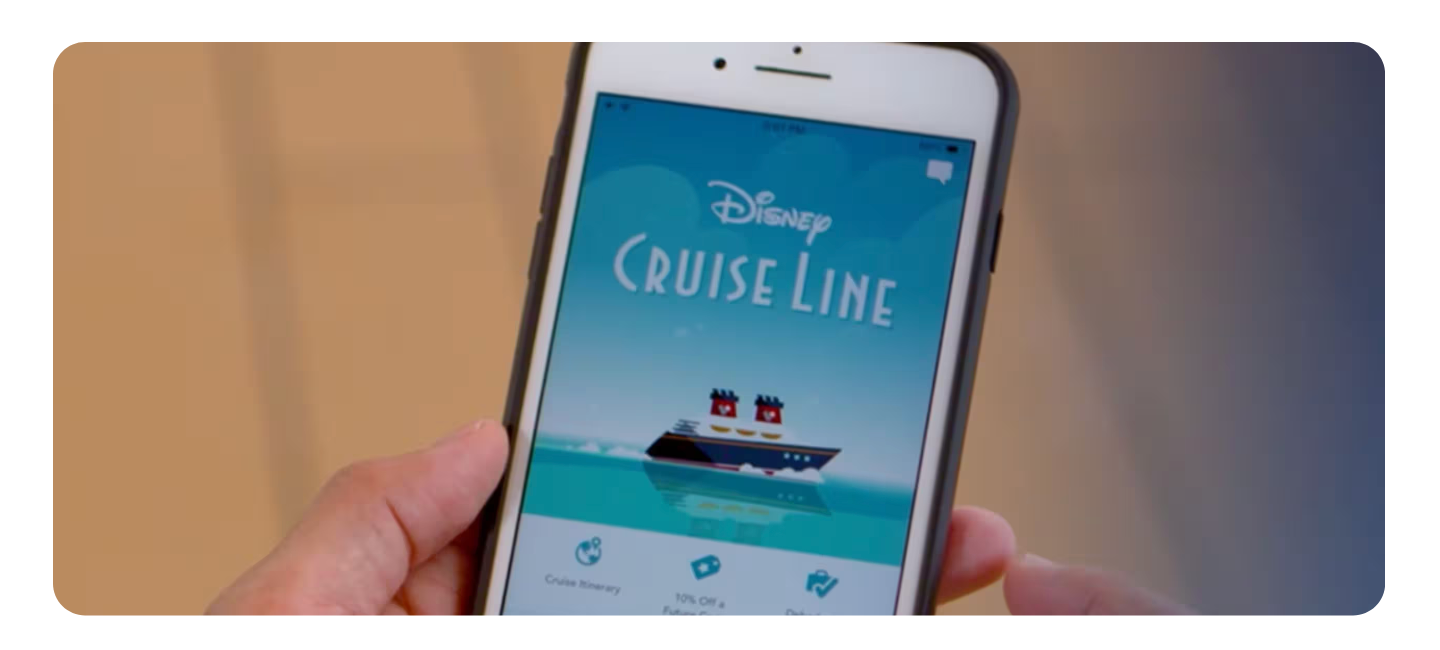
✔️ Disney Cruise Line Navigator app — download in advance
✔️ Travel insurance, credit cards, and a small amount of cash
✔️ Confirm your Port Arrival Time, complete online check-in, and book activity reservations
🎒 Carry-On Bag Essentials:
Since checked luggage may not arrive at your room immediately, your carry-on must include:
✔️ Passport, digital copy of Port Arrival Form
✔️ Medications, charging cables, power bank
✔️ Swimsuit, sunscreen, sunglasses, hat
✔️ Phone, waterproof pouch, autograph book
✔️ One set of light change-of-clothes
🧳 Checked Luggage — Recommended Items:
✔️ T-shirts, shorts, light jacket, comfortable walking shoes
✔️ Pajamas, eye mask, earplugs
✔️ Formal or semi-formal dinner outfit
✔️ Toiletries, common medications, motion sickness supplies
✔️ Travel adapter, multi-port charger
✔️ Magnetic hooks, door signs — small items that upgrade your experience

⚠️ Important Reminders:
❌ No homemade, cooked, or perishable food
❌ From Singapore: No chewing gum, e-cigarettes, or vapes
❌ No power strips, extension cords, irons, or other prohibited electrical items
⚠️ Theme nights and activity schedules are subject to the Navigator app once onboard
Royal Caribbean Onboard Payment Q&A
Board a Royal Caribbean ship and suddenly you're dazzled by North Star, specialty restaurants, and duty-free shops — your SeaPass card won't stop swiping. Then on the last night, you look at your bill and your heart races so fast you want to jump overboard 🌊
Don't panic! Here's everything you need to know about onboard spending, so you can party freely and settle your bill like a pro.
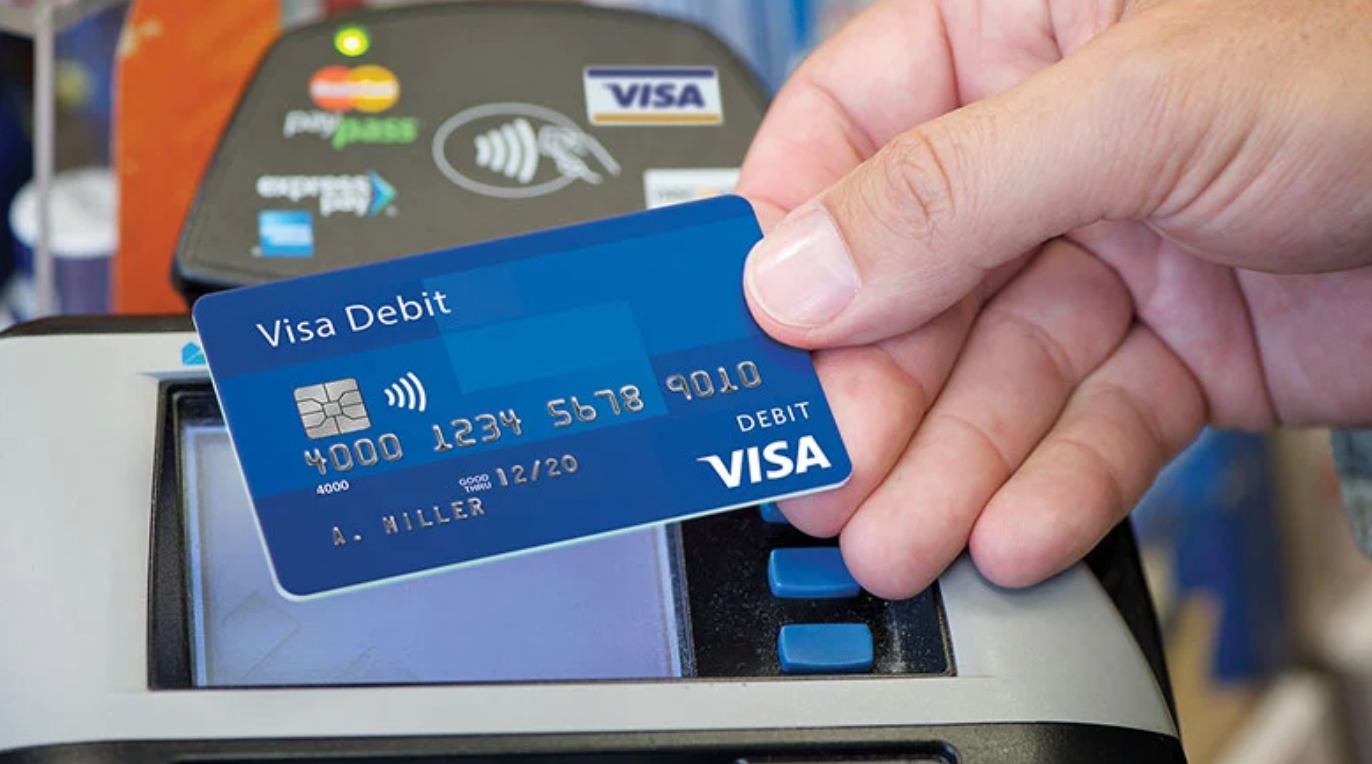
1. What Credit Cards Can I Bind?
UnionPay cards starting with 62 (single-currency or dual-currency)
Visa or Mastercard starting with 4 or 5 (dual-currency)
One card can be linked to multiple passengers in the same stateroom — the cardholder must be on the sailing
-
Bind online via the Royal Caribbean website/app during online check-in. Charges are auto-deducted before disembarkation — no signatures needed. Lazy travelers and families, this one's for you!
2. Can I Use Cash If I Don't Have a Credit Card?
Yes — USD cash or UnionPay debit cards (starting with 62) are accepted. You'll need to pre-deposit a security deposit (typically $150–300 per person, varies by ship).
Your SeaPass card has an overdraft limit — charges are posted to your account and must be settled at Guest Services before disembarkation.
If paying with cash/debit, check your balance daily so you don't accidentally max out your limit.

3. How Are Service Charges Calculated?
Sea and Sky Suites and below (standard staterooms): $18/person/night
Sky Suites: $20.50/person/night
Star Suite: Complimentary service (included in suite privileges)
Charges are automatically added to your SeaPass account after boarding.
Credit card bound: Auto-deducted before disembarkation
No credit card: Settle in cash or UnionPay at the front desk
Service charges may be adjusted based on ship operations.
4. If I Didn't Bind a Credit Card, How Do I Pay Service Charges?
The night before disembarkation, your itemized bill is delivered to your stateroom door
Review it for accuracy, then head to Guest Services
Pay with a UnionPay credit card or USD cash
Pro tip: Do this a day early — avoid the last-day queue that'll make you question your life choices
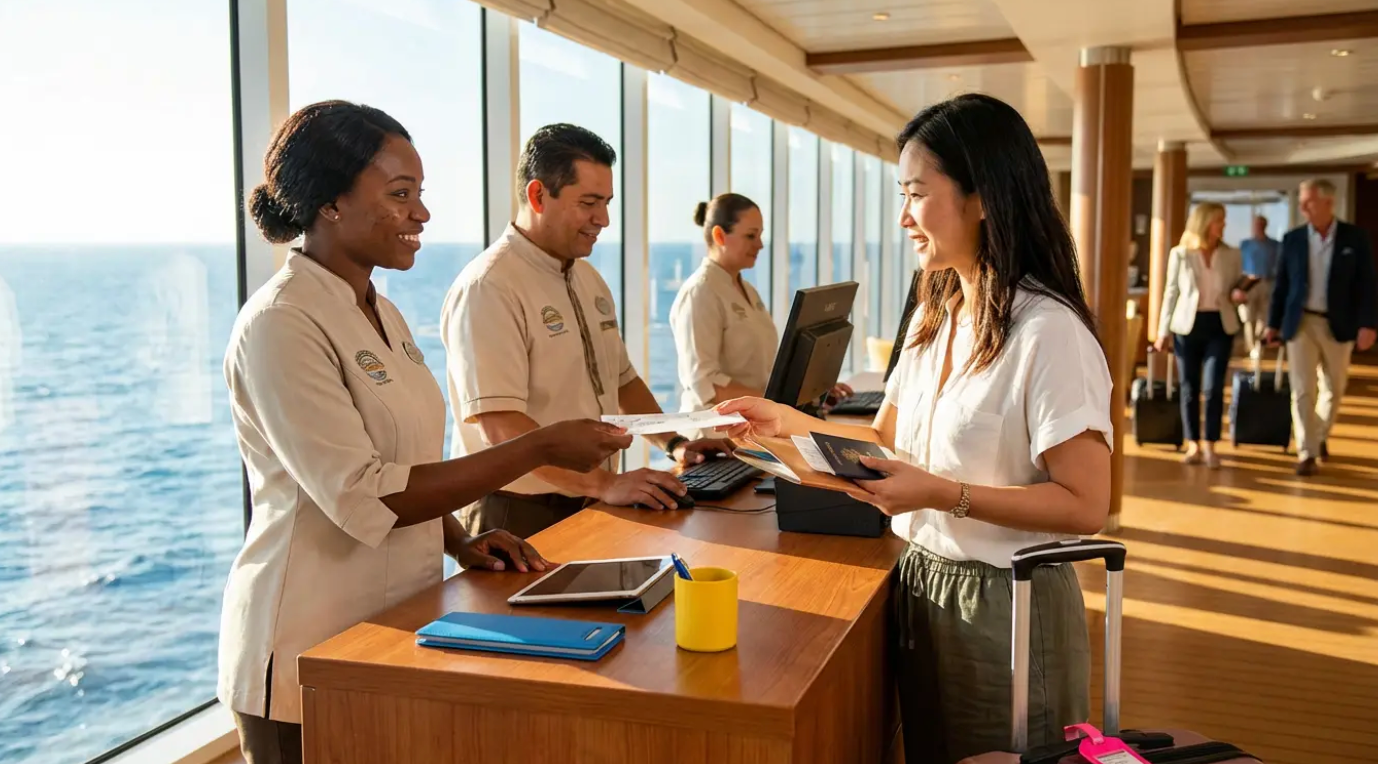
💡 Onboard Spending Tips:
1️⃣ Bind early, live free: Link your credit card during online check-in and forget about it — just grab your bags and go
2️⃣ Check your balance anytime: Use the Royal Caribbean app or your stateroom TV to monitor charges in real-time. Spot something weird? Go to Guest Services immediately
3️⃣ Prepay service charges: Some sailings let you prepay gratuities — sometimes with a small perk
4️⃣ Watch your cash limit: Remember your deposit amount so you're not scrambling for cash at the last minute
How to Choose a Cruise Ship from Miami?
Icon and World America both sail from Miami, both are mega-ships — so what's the real difference?
It's not about "which one is bigger." It's about whether you'll feel like your 7 days onboard were worth every penny.
1. Why Are You Torn Between These Two?
🔹 Icon: The ship that packs in the most "fun"
🔹 World America: The new ship with a more accessible price point
So the real question comes down to: 👇
👉 Do you want "so much to do I don't want to get off" — or "huge ship but my budget stays reasonable"?
2. How Fun Is It? The Activity Density Is Actually Quite Different
🚢 Icon of the Seas
✔️ Packed activity schedule ✔️ Water attractions ✔️ Family programs ✔️ High-density public area events
You'll often feel like: "If I skip things, I'm missing out."
Best for: First-time cruisers, or anyone who wants non-stop content and things to do.
👉 Think of it as: A massive floating resort theme park
🚢 MSC World America
✔️ Spacious ✔️ Your own pace ✔️ Huge ship ✔️ But activities aren't mandatory
It's not that there's less to do — it's that the pace is more relaxed.
More like: "If I want to play, I play. If not, zero pressure."
👉 Think of it as: New, comfort-focused vacation experience
3. Cost
Not talking exact prices — just the general feeling people have 👇
Icon of the Seas 👉 Typically mid-to-high range
👉 Mental impression: "This is a trip that needs serious planning."
World America 👉 Generally more accessible than Icon
👉 Mental impression: "I'm on a huge ship, but my budget isn't stressed."
📌 The point isn't cheap vs. expensive — it's:
Can you look at your bill at the end and think: Worth it.
4. Let's Just Pick for You
✔️ Choose Icon if you're the type who:
▶️ Wants maximum content on your first cruise
▶️ Can't stand boredom
▶️ Is traveling with family/kids and wants everyone to have something to do
✔️ Choose World America if you're the type who:
▶️ Already knows about Icon but wants to try a mega-ship experience
▶️ Cares more about "new ship + comfort + lower mental barrier"
▶️ Wants a comfortable big ship without being chased by activities all week
One-line summary: Icon is "packed schedule, high activity." World America is "budget-friendly mega-ship."
You're not really debating which one is better — you're deciding what kind of vacation pace you want.
How to Choose a Cruise Ship from New York?
Still figuring out which ship to take for your first cruise from New York?
Meraviglia / Oasis / Independence / Breakaway — which one?
Let's help you find the right match 👇
👉 TL;DR (Quick Answer)
Want a relaxed, hassle-free trip → MSC Meraviglia
Traveling with kids / want maximum activities → Oasis of the Seas
Budget-friendly / best value → Independence of the Seas
Younger crowd / nightlife → Norwegian Breakaway
Here's the breakdown, ship by ship:
🛳️ MSC Meraviglia
If it's your first cruise from New York, this ship is a safe bet.
✔ Comfortable vibe, no rush-rush schedule
✔ Public spaces are easier to find seating, not overcrowded
✔ Relaxed daily pace — feels more like a real vacation
⚠️ Not for you if:
You want a wild nightlife
Thrill rides are your priority
You want a packed itinerary every day
👉 Choosing Meraviglia means choosing a slower, more chill pace.
🛳️ Oasis of the Seas
If you're traveling with kids or want a floating theme park, don't hesitate — pick this one.
✔ Tons of activities — one day isn't enough to do them all
✔ Packed with family facilities, great for burning kids' energy
✔ Constantly buzzing with entertainment
⚠️ Not for you if:
You want quiet relaxation
You hate waiting in lines or booking reservations
You don't have kids but don't want to be surrounded by family vibes
👉 Choosing Oasis means choosing a week of non-stop fun (until you're exhausted).
🛳️ Independence of the Seas
If value matters more to you than chasing the newest ship, this one is solid.
✔ Everything you need without the overwhelm
✔ Balanced pace — easy to manage
✔ Not flashy, but nothing goes wrong
⚠️ Not for you if:
You're obsessed with brand-new ships
You expect jaw-dropping experiences
You want every single day to be incredible
👉 Choosing Independence means choosing reliability — no surprises, no regrets.
🛳️ Norwegian Breakaway
If nightlife and social atmosphere matter to you, this ship is the most alive.
✔ Nights are significantly more energetic, strong nightlife presence
✔ Lively atmosphere, great for socializing
✔ Faster pace, not really a "lie flat" kind of cruise
⚠️ Not for you if:
You're traveling with kids
You want quiet ocean views and downtime
You're sensitive to noise and crowds
👉 Choosing Breakaway means choosing excitement and zero boredom.
Bottom line: There's no "best" ship from New York — only the one that's best for you. Choosing a cruise ship really comes down to: what kind of week do you want?
Beyond WiFi Packages — How Else Can You Get Online on a Cruise?
A cruise trip involves three different internet environments from start to finish:
1. Departure Port
When boarding at the home port, your phone picks up land-based cell signals — just use it like normal.
2. Foreign Ports
When the ship docks overseas or you go ashore, you'll have signal but need international roaming data.
3. At Sea
Out on open water, far from cell towers, your phone can't connect directly. Communication goes through the ship's satellite link — that's when you need onboard WiFi.
🚢 Onboard WiFi Guide
1. Satellite WiFi
Ship WiFi runs on satellite connections — expensive to operate, so it's not cheap. But about 90% of cruise lines offer early-bird discounts! Book packages on the official website/app before sailing, and you'll typically save 30% vs. buying onboard. If you find a better price later, you can cancel and rebook.
2. Free Ship WiFi (App-Only)
Almost all cruise lines offer this. It only connects to the cruise line's official app — no general internet access. Useful for chatting with fellow passengers, checking daily activities, viewing menus, and booking facilities.
🌏 Shore Internet Guide
Once in port, stop using the ship's WiFi — it's slow and expensive. These options are much better:
1. International Roaming (Top Pick!)
Activate a regional data package on your phone. Stable signal, plus you can still receive calls. Important: switch to airplane mode when the ship sails, and turn it back on when you dock — avoid massive roaming charges at sea.
2. Portable WiFi (Best for Groups)
Rent at the terminal or buy in advance. Split the cost across multiple people — great value.
3. Free Public WiFi
Port-side cafés, 7-Eleven stores, and tourist centers often have open WiFi. Just ask the staff for the password when you go ashore.
🌏 Money-Saving Tips
Pre-book WiFi packages — many routes offer 20%-30% discounts when purchased before booking or boarding.
Airplane mode + WiFi ON after boarding — prevents accidental roaming charges at sea.
Disable auto-updates, cloud sync, and backups — these eat bandwidth and data in the background. Enable data-saver mode and set usage alerts on your phone and laptop.
Download offline content before departure — maps, entertainment, and important documents you'll want to access at sea.
Hidden Costs on Cruise Ships — What Are They Really?
🚢 How Payment Works on Board
💳 Credit Card (Recommended):
Bind your credit card via the cruise line's website or official app about 45 days before sailing. All onboard charges (cabin, tips, dining, shopping) are automatically charged to your room card. Settle everything at the end — no lines.
💸 Debit Card or Cash:
If you didn't pre-register, you can use a debit card or USD cash onboard. Note: debit card users usually need to settle their account at the Guest Services desk before disembarkation, which can be a hassle.
🎫 What's Included in Your Fare?
🛏️ Accommodation: Cabin with daily housekeeping
🍱 Dining: Main dining room (3-course formal dinner), buffet (24 hours), pizza bar, free ice cream, etc.
💃 Entertainment: Broadway-style shows, water parks, rock climbing, gym equipment, pools, and other facilities
👼 Kids: Youth clubs, childcare services (select hours)
⛴ Transportation: Port-to-port travel and port fees
❌ What's NOT Included (The Hidden Costs)
Service Tips: Unavoidable. Charged daily, auto-added to your bill, deducted before disembarkation.
Specialty Restaurants: Italian, Japanese, steakhouse, etc. — some also charge an additional service fee.
WiFi: The biggest budget trap! Buy packages early on the official app, or use free WiFi when in port.
Premium Activities: Skydiving simulator, spa, salon, North Star observation deck, shopping experiences, etc.
Drinks: Alcohol, soda, bottled water, sparkling water are all charged. Bring a reusable cup for free tap water.
Shore Excursions: Cruise-line-organized tours are convenient but overpriced. Consider booking through local agencies, TripAdvisor, or just explore on your own.
👛 Money-Saving Tips
✍️ Plan Ahead:
Use the official app to pre-book WiFi, shore excursions, specialty dining, entertainment, and drink packages — early booking usually means discounts.
💼 Pack Smart:
Avoid onboard markups! Some lines allow you to bring water, others don't — check in advance. Always pack: medications, toiletries, chargers, sunscreen, collapsible hangers, and extra snacks.
🥃 Get Your Money's Worth:
Free dining is already excellent. If you want specialty restaurants, look for launch-day or lunch-time promos. There are tons of free parties, shows, competitions, and lectures — make the most of them!
🎂 Score Freebies:
Mention birthdays or anniversaries when booking — you might get a surprise. Visit the spa on embarkation day for free tours or giveaways. Attend art auctions for free champagne.
What is Cruise "Wave Season"?
What is Cruise "Wave Season"?
Cruise "Wave Season" is the cruise industry's biggest annual sale, held every year from January to March!
Since the Christmas and New Year holidays have just passed, travelers start planning their summer and second-half trips. To secure bookings early, cruise lines roll out their most aggressive and best-value discounted itineraries of the entire year!
Think of it as: The cruise industry's Double 11 ➕ Black Friday ➕ Year-end clearance ➕ Early bird special, all rolled into one!
During Wave Season, you can usually snag these perks:
—
✅ Cruise Ticket Discounts:
Wave Season fares can be up to 30%-40% OFF, meaning deeply slashed prices straight on your ticket!
✅ Multi-Person Discounts:
You'll often see amazing deals like "2nd Guest Half Price" or even "Kids Sail Free"! Perfect for families traveling with kids or seniors!
✅ Free Cabin Upgrades:
Get a balcony cabin at an interior price, or a suite at a balcony price. These kinds of deals only happen during Wave Season!
✅ Free Perks:
Free WiFi, free drinks, free specialty dining, and even waived gratuities! These add-on services that normally cost hundreds of dollars are now bundled and given away for free!
However, keep these points in mind when booking during Wave Season:
—
✅ Book Popular Routes Early:
High-demand routes like Alaska, Bermuda, and the Caribbean, along with premium balcony rooms, connecting rooms, or family suites, usually sell out within the first week!
✅ Read the Deposit Rules Carefully:
Special Wave Season fares sometimes come with non-refundable deposits. Before paying, confirm the terms, understand the cancellation/change policies, and check the fine print.
✅ Don't Just Look at the Ticket Price:
Don't focus solely on the base fare and overlook the included perks. For example, Cruise A might be $500 cheaper, but Cruise B includes $1,000 worth of drinks and WiFi. Always compare the total value!
✅ Watch for New Cruise Promotions:
Follow cruise official websites, emails, and social media to get promotion alerts instantly, so you can catch the first wave of Wave Season deals!